Dental implants often last 20 years or more with proper care, with many patients enjoying their implants for life. Maintaining good oral hygiene and regular dental visits helps ensure long-term success.
Dental Implants in Kirkland, WA
-

Cost
Dental implants typically range from $1,367 to $2,924 per implant, but can vary depending on the number of implants and additional procedures needed. Your insurance coverage will also impact this price, with certain PPO plans covering a set amount of your care. If insurance isn’t an option, you can save on your care with our in-house wellness plan.
Office Fees -

Procedure Duration
The dental implant process may take several months, from consultation to final crown placement, ensuring proper healing and function.
Schedule Online -

Pain Level
With local anesthesia and sedation options, discomfort during the treatment process is minimal—our team strives to provide the most comfortable, personalized care possible.
Sedation Dentistry
Dental Implants in Kirkland, WA
Dental implants offer a secure, long-term replacement for missing teeth, restoring your smile and bite function with natural-looking results. During the process, titanium posts are placed in your jawbone to replace missing teeth. Once healed, the posts are usually fitted with crowns that look and feel natural. Implants are ideal for restoring chewing ability, protecting bone health and enhancing your smile’s appearance and confidence.
In addition to single-placement implants, our team also provides All-on-4 and All-on-X dental implants. These multiple dental implant treatments involve a full-arch tooth replacement solution using four strategically placed implants. They offer a permanent, natural-looking smile; improved function; and enhanced confidence—all in a minimally invasive, cost-effective procedure with faster recovery.
While dental implants at Manson & Chi Dentistry usually range from $1,367 to $2,924 per implant, the overall cost can still fluctuate depending on your specific needs and the number of implants placed. To learn more about what to expect with dental implant options and costs, please click below to download our dental implants pricing guide.
Download Our Dental Implants Pricing Guide
Complimentary Consultations for Dental Implants
Considering dental implants? Schedule a complimentary consultation to explore your options in a comfortable, no-pressure environment. Our caring team will answer your questions, evaluate your smile, and help you determine whether dental implants are the right solution to restore your confidence and oral health.
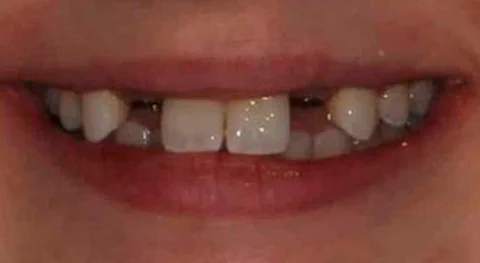
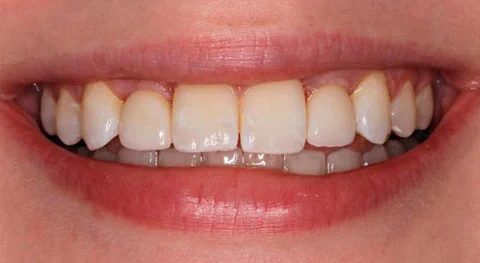
Dental Implant Case Study in Kirkland, WA
Find out how a successful dental implantation procedure changed the life of a patient of Manson & Chi Dentistry! Watch along with Dr. David Chi as he describes how dental implants in Kirkland, WA, can completely change your look and confidence levels.
Before
After
01.
The Dental Implant Process
Getting a dental implant is a multi-step process that restores both function and confidence in your smile. It begins with a thorough consultation and digital imaging to assess oral health. If you’re a candidate, the dentist surgically places a titanium post into your jawbone, which serves as the root for your new tooth.
Over a few months, the implant naturally fuses with the bone. Once healed, a custom crown is securely attached, matching your natural teeth’s look and feel. Throughout the process, your dental team will ensure you’re comfortable, informed and supported every step of the way.
02.
Dental Implant Aftercare
Aftercare following dental implant surgery is essential for successful healing and long-term function. Following your dentist’s instructions in the first few days is necessary—maintain good oral hygiene, avoid strenuous activity and stick to soft foods. Managing swelling and discomfort with ice and prescribed medications can aid recovery. Long-term, regular dental visits and diligent brushing and flossing help protect your investment.
Compassionate care doesn’t end after surgery—your commitment to aftercare supports a healthy, confident smile for years. Think of it as teamwork between you and our team for optimal implant success.
FAQ
-
How long do dental implants last?
-
How many dental implants can be done at once?
Depending on individual needs and bone health, multiple dental implants can often be placed in one visit. Whether a single implant or a full arch, your dentist will create a personalized, comfortable plan for optimal results and healing.
-
How often do dental implants fail?
Dental implants are highly successful, with a failure rate of only about 5 to 10%. When issues arise, they’re often due to infection, bone loss or improper care. Staying current on your checkups and practicing good oral hygiene will help ensure implant longevity.
Related Services

Tooth Extractions
Tooth extractions may sound intimidating, but you’re in skilled, compassionate hands. We make the process simple and comfortable, always prioritizing your health and peace of mind.
Tooth Extractions
Dental Crowns and Bridges
Dental crowns and bridges are custom restorations that rebuild strength, function and appearance for damaged or missing teeth—helping you smile with confidence again.
Dental Crowns and Bridges